
5 Screen-Free Activities to Explore with Your Child
Screens are such an enormous part of daily life that it can be tricky to find the balance for children and teens. It’s natural that most children and young people want to spend long hours glued to their devices, but it’s certainly not healthy. Research shows that it’s not only their eyesight which can suffer but also their mental health and their physical fitness. As such, it’s vital that parents help their children to find fun activities which engage them in more than social media or gaming. This boarding school in Bristol ensures all pupils have regular screen-free time so that they can engage in the world around them.
When it comes to fun activities, most parents think hard about what sort of activities are easy to access and will attract children. Here are some ideas – it may be that your child won’t be interested in all of the activities but there will be at least one which will capture their imagination.
Make a mini wildlife pond
This activity is great for a number of reasons. Not only does it directly assist your local wildlife, but it also provides ongoing entertainment and educational opportunities for your child or children. A mini pond is just that – mini – so there is no need to devote a big patch of garden for it and no need to invest in pumps or expensive filtration systems. You can even use a washing up bowl as a base!
Mini ponds can provide a feeding ground for birds, hedgehogs, and bats, all of which need as much help as they can get! Choose a spot with filtered light rather than full sun or shade. Wildlife needs a bit of both! Dig a hole and sink your bowl.
Now add a layer of locally found gravel and rocks. You can add a large stone or log so that there are different depths and to offer creatures an escape route should they fall in. Fill your pond with rainwater – this is important. Do not use tap water as it contains chemicals.
Now you can add some plants! Lesser spearwort, Starwort and Flowering rush are good options. And that’s it! Now you can watch your pond begin to come alive as over the coming days and weeks, more life is attracted to your little pond. Do not bring frogs or tadpoles from other ponds as this can spread disease. Frogs may arrive of their own accord though so be watchful!
Go mud larking
Mud larking is the practice of searching around the edges of various bodies of water to find lost, old items of interest. You can mudlark in rivers, streams and even at the beach. Typical finds include old pieces of pottery, Victorian bottles and jars or lids, old buttons and coins, old toys and even Roman relics.
A great tip is to look at old maps of your area and pinpoint the spots where rivers or streams ran through busy villages. In the past, people threw rubbish into the water and as a result, a lot of things stay in the area. Be careful though! Wear long boots or waders, carry a small bag for your finds and teach your children never to pick up dangerous items. These can include bullets and even grenades from both wars.
Build a box town
This is great for smaller children. Collect as many cardboard boxes as possible – you’ll need lots so ask friends and neighbours for theirs. Paint each box as a house, shop, office or important building such as a town hall, church or mosque.
You can use marker pens to draw on windows, doors and other details. Talk to your child about the various features of each building and why they are all different.
Now build streets! You can do this outdoors if it’s dry because you’ll have much more space for your town. Arrange the boxes into areas and discuss with your child where things should be placed. Once the streets are all designed and placed, your child will enjoy playing with dolls and cars in their new town.
Make your own newspaper or magazine
Talk to your child about what a newspaper or magazine is. Look at examples so that they understand how to approach the project. Next, use large sheets of paper (lining paper works well) and staple the sheets together to form a newspaper or magazine.
Help your child to fill in the pages with family and local news. They can write articles, jokes, recipes and stories. Reading the newspaper together in later years will be fun.
Make a nature table
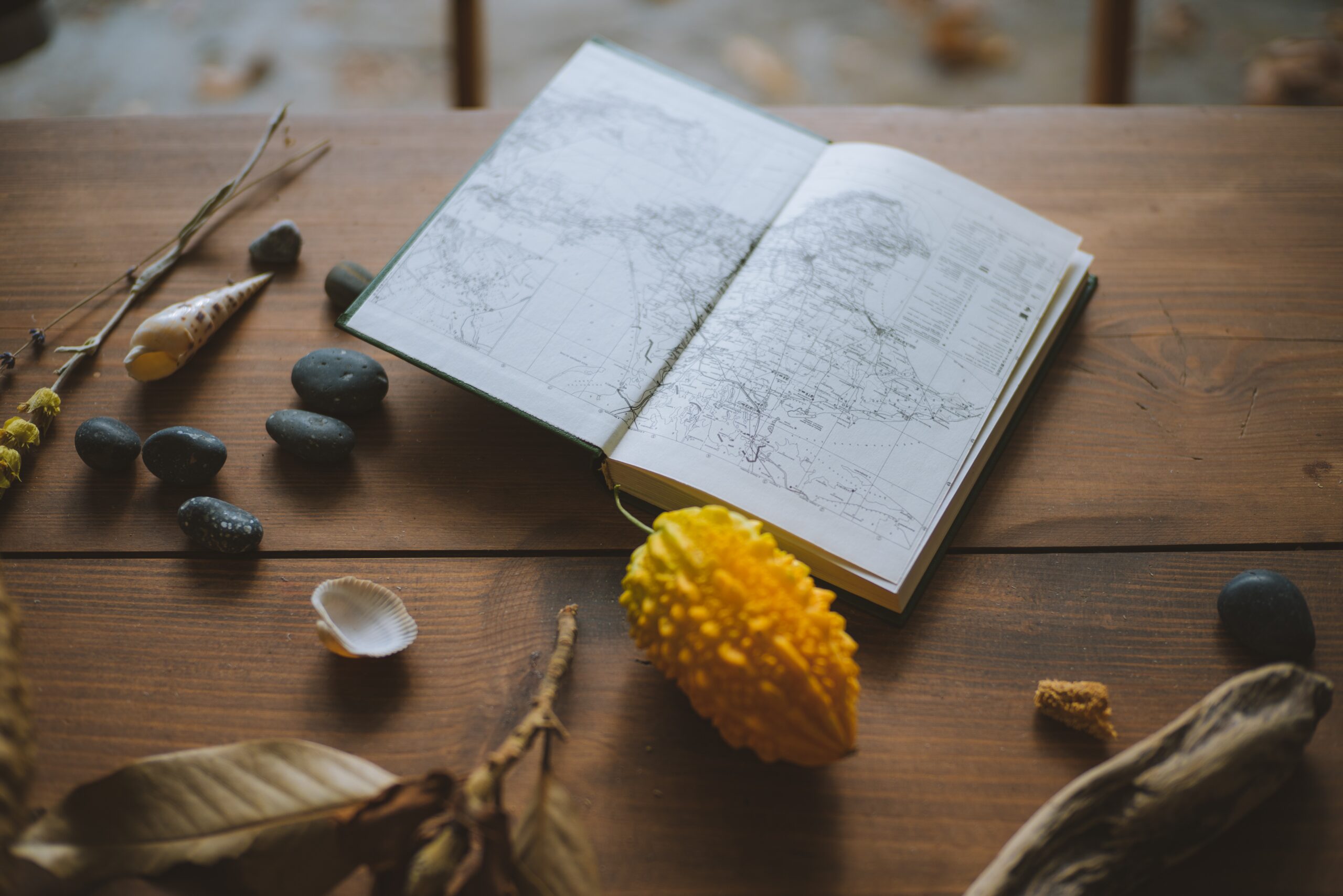
Gathering items of interest on a country walk is great fun. Children are endlessly fascinated with the bounty which a simple walk can provide. Interesting branches and pebbles, snail shells and broken eggs, berries and nuts all provide a tactile and educational activity. Your child may enjoy arranging the things on a small table at home and then creating labels for each item – like their own mini-museum.
Taking time out to create and learn with your children will not only make them happy but also educate them and ensure they’re learning in more ways than one!