
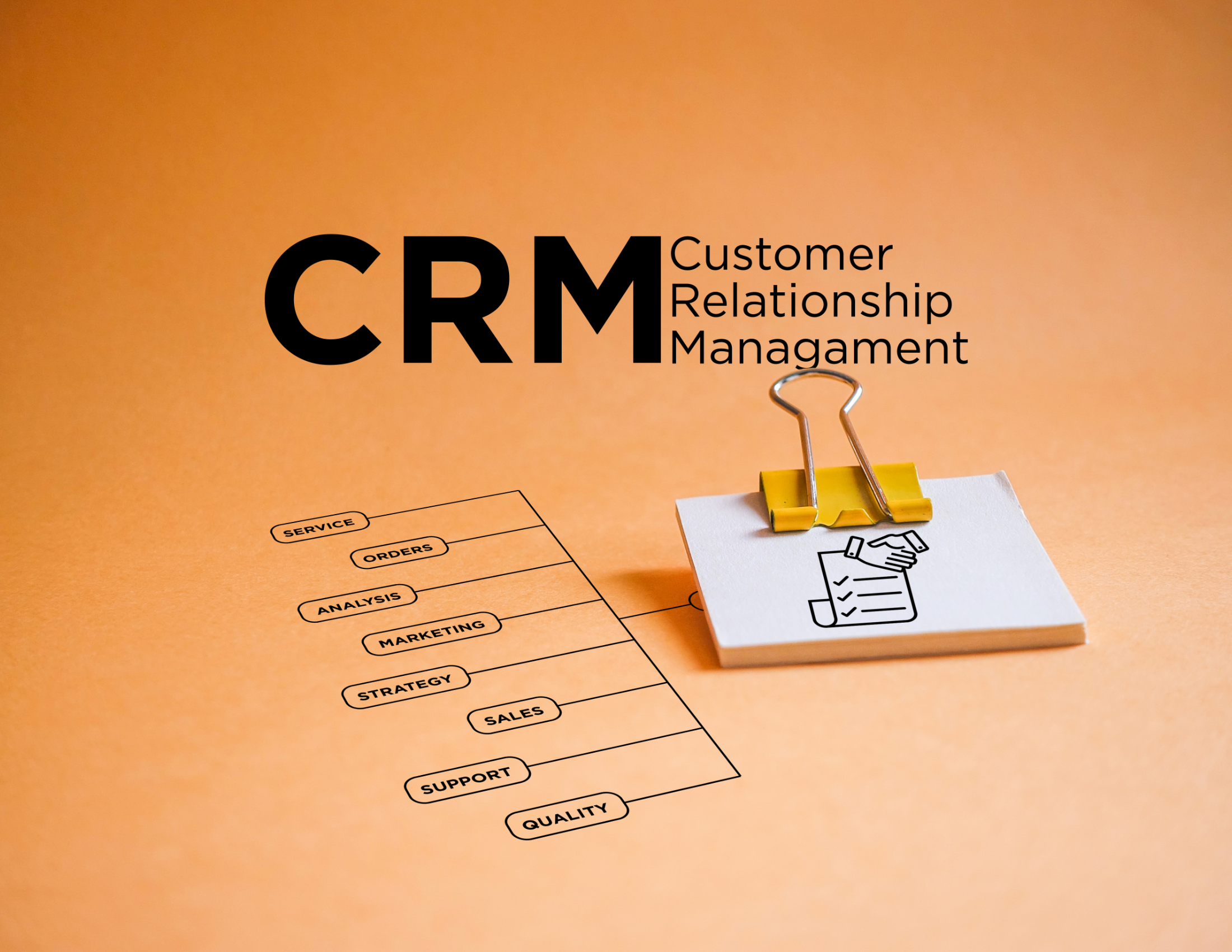
Maximising Profitability with CRM Systems: A Strategic Guide to Enhancing Revenue and Reducing Costs for Businesses
In the contemporary business landscape, where competition is fierce and customer expectations are ever-evolving, CRM (Customer Relationship Management) systems have emerged as a vital tool for businesses looking to enhance their profitability. Particularly, bespoke CRM systems, tailored by a skilled CRM developer to meet specific business needs, are proving invaluable. This article delves into how CRM systems offer financial benefits to businesses and explores the unique advantages of bespoke solutions.
The Financial Impact of CRM Systems
CRM systems have revolutionised the way businesses interact with their customers. At their core, these systems gather, store, and analyse customer information. Which enables businesses to foster better relationships and, consequently, bolster their bottom lines. The financial benefits are multifaceted:
- Enhanced Customer Retention: By providing a comprehensive view of customer interactions, CRM systems enable businesses to nurture relationships, thereby improving customer loyalty and retention. Retaining an existing customer is generally more cost-effective than acquiring a new one.
- Increased Sales Efficiency: CRM systems streamline the sales process through better lead management and sales forecasting. This efficiency not only reduces the cost per sale but also potentially increases the overall sales volume.
- Improved Marketing ROI: With detailed customer data, businesses can create targeted marketing campaigns. This tailored approach ensures a higher return on investment (ROI) for marketing expenditures.
- Data-Driven Decision Making: By leveraging the analytical capabilities of CRM systems, businesses can make informed decisions that directly impact their financial health, from identifying sales trends to optimising resource allocation.
The Edge of Bespoke CRM Systems
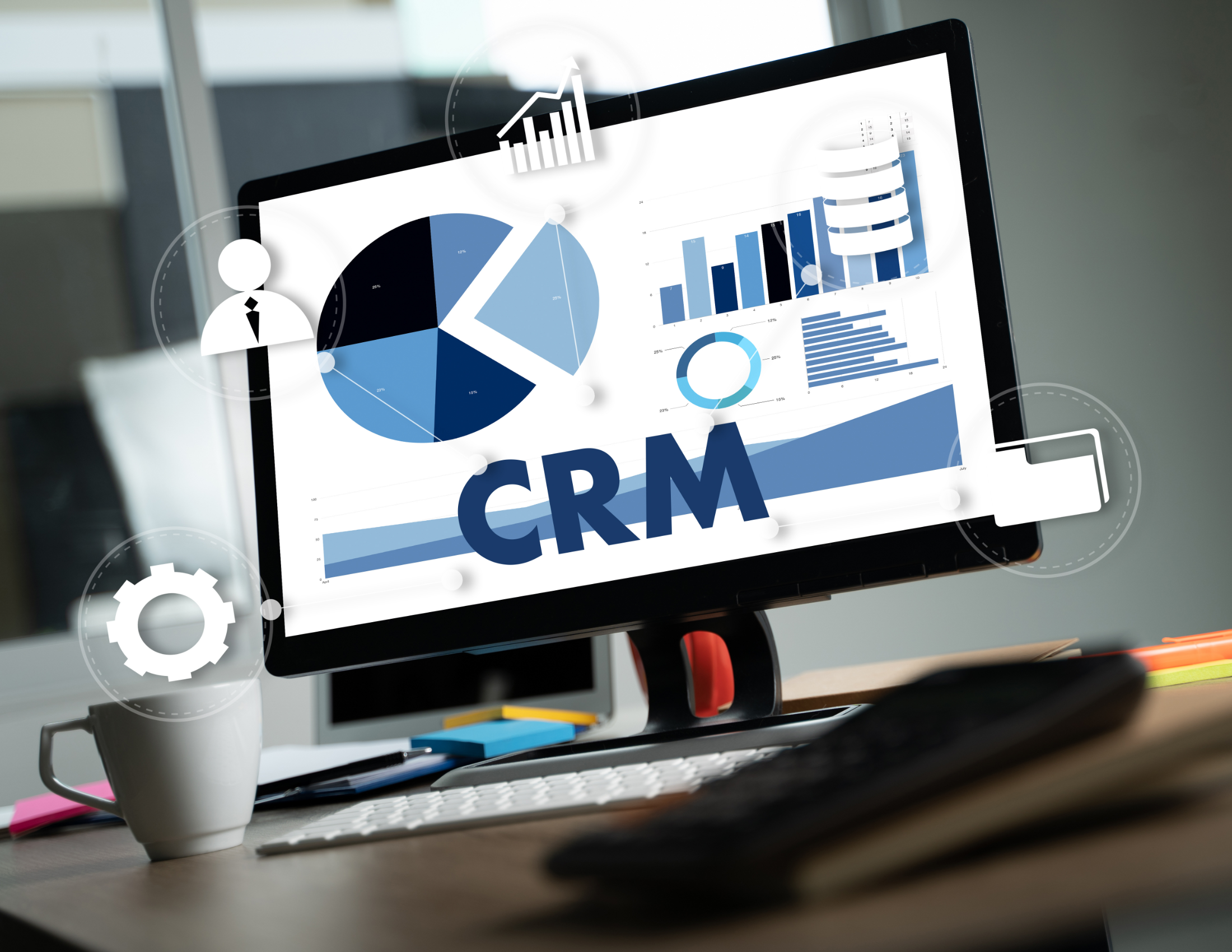
While standard CRM solutions offer substantial benefits, bespoke CRM systems, designed and developed to cater specifically to a business’s unique requirements, provide an additional edge.
- Tailored to Business Needs: A bespoke CRM system is moulded to fit the precise processes and workflows of a business. This customisation ensures that every feature of the CRM system aligns perfectly with the business’s goals, thereby maximising efficiency and effectiveness.
- Scalability and Flexibility: As businesses grow and evolve, their CRM needs change. Bespoke systems, developed with scalability in mind, can adapt to these changing needs, ensuring that the CRM solution remains an asset throughout the business’s growth trajectory.
- Integration with Existing Systems: One of the most significant advantages of a bespoke CRM system is its ability to seamlessly integrate with existing business systems, such as ERP or accounting software. This integration eliminates data silos and streamlines operations across departments.
- Competitive Advantage: A bespoke CRM system can provide unique functionalities not available in off-the-shelf solutions. This exclusivity can be a key differentiator in a competitive market, offering unique insights and capabilities that competitors lack.
The Role of the CRM Developer
The development of a bespoke CRM system is a complex process that requires the expertise of a skilled CRM developer. These professionals play a crucial role in not just the development but also the ongoing success of the CRM system. Their responsibilities include:
- Understanding Business Requirements: CRM developers must have a deep understanding of the business’s processes and needs. This understanding enables them to design a system that truly aligns with the business objectives.
- Custom Development and Integration: Developers are responsible for creating custom functionalities and ensuring the CRM system integrates smoothly with other business systems.
- Ensuring Data Security and Compliance: With businesses increasingly handling sensitive customer data, CRM developers must ensure that the system complies with data protection regulations and employs robust security measures.
- Ongoing Support and Evolution: The role of a CRM developer doesn’t end with deployment. Continuous support and updates are essential to keep the system aligned with the evolving business landscape.
Realising the Financial Benefits
To fully realise the financial benefits of a bespoke CRM system, businesses should consider the following strategies:
- Detailed Requirement Analysis: Before development begins, a thorough analysis of business requirements is essential. This analysis ensures that the CRM system is perfectly tailored to the business’s needs.
- User Training and Adoption: The success of a CRM system depends on its adoption by the users. Proper training and support are crucial to ensure that the staff can leverage the system’s full potential.
- Data-Driven Culture: Encouraging a culture that values data and insights derived from the CRM system can significantly enhance decision-making processes and, consequently, financial outcomes.
- Regular System Reviews: Regularly reviewing and updating the CRM system ensures that it continues to meet the business’s changing needs and remains a valuable asset.
Conclusion
CRM systems, especially bespoke solutions crafted by skilled CRM developers, offer substantial financial benefits to businesses. From enhancing customer retention to improving sales efficiency and marketing ROI, the impact of these systems on a business’s bottom line can be profound. By choosing a bespoke CRM system, businesses not only gain a tool that fits their unique needs but also secure a competitive advantage in the ever-evolving market. The key to maximising these benefits lies in a deep understanding of business requirements, effective user adoption, and a commitment to continuously evolving the system in line with business growth and changes.