

Teaching your child to empathise with others
Empathy is a powerful trait that enables individuals to understand and share the feelings of others. Teaching your child to empathise with others not only fosters positive relationships, but also promotes kindness, tolerance, and emotional intelligence. Keep reading for some practical steps to help you nurture empathy in your child, inspired by the practices of this independent school in West Sussex.
Be an Empathetic Role Model
Children learn by example, so it’s crucial to demonstrate empathy in your own interactions. Show compassion towards others, whether it’s a friend in need or a stranger facing a challenge. Share your feelings and experiences with your child, emphasising the importance of understanding others’ perspectives.
Encourage Perspective-Taking
Help your child see situations from different viewpoints. Ask questions like, “How do you think they feel?” or “What would you do if you were in their shoes?” This encourages critical thinking and expands their understanding of others’ emotions.
Practice Active Listening
Teach your child the value of truly listening to others. Encourage them to maintain eye contact, nod, and respond appropriately during conversations. This not only shows respect but also helps them grasp the emotions behind the words.
Read Books that Promote Empathy
Choose books with diverse characters and themes that revolve around emotions, kindness, and understanding. Discuss the characters’ feelings and motivations with your child, emphasising the importance of empathy in different situations.
Foster Open Communication
Create a safe space for your child to express their feelings and concerns. Encourage them to talk about their experiences and emotions and validate their feelings. This not only strengthens your bond but also reinforces the idea that emotions are important and worthy of consideration.
Engage in Acts of Kindness
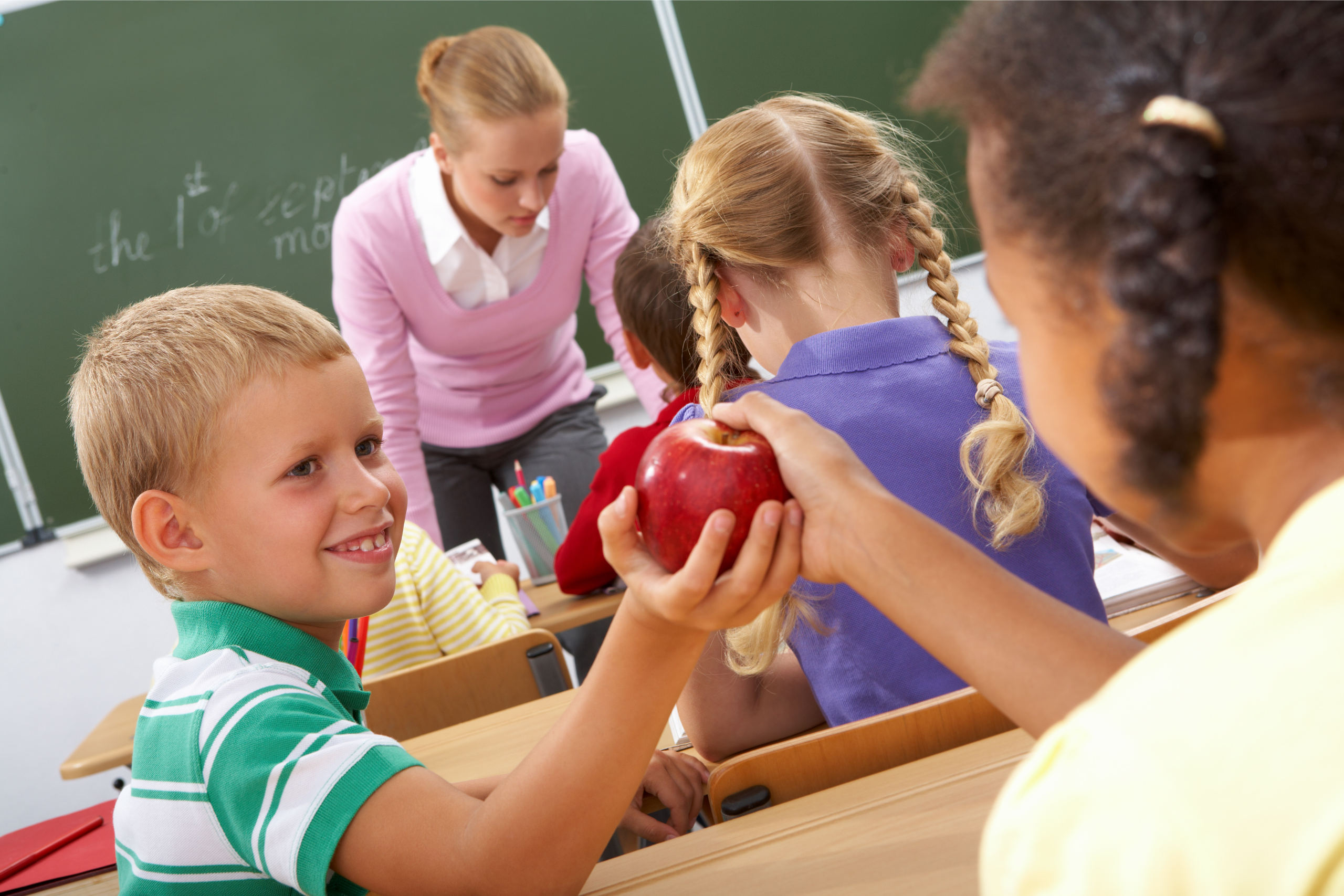
Participate in volunteer activities or engage in random acts of kindness together. This hands-on experience allows your child to see the impact of empathy in real-life situations and encourages a lifelong habit of helping others.
Teach Conflict Resolution
Guide your child through resolving conflicts with friends or siblings in a constructive manner. Emphasise the importance of understanding each other’s feelings and finding mutually agreeable solutions.
Empathy is a valuable skill that can positively influence your child’s personal and social development. By incorporating these practices into your parenting approach, you can help your child grow into a compassionate, understanding, and emotionally intelligent individual who contributes positively to their community and the world at large. Remember, the seeds of empathy you sow today will bloom into a brighter, more compassionate tomorrow.