
DIY vs Hiring a Professional: Which Home Jobs Should You Never Do Yourself?
There’s also the money-saving side of it. But over the years, I’ve learned something fairly important: just because you can have a go at something doesn’t mean you should.
That distinction can save you a lot of money, stress and potentially a trip to A&E.
So where should you draw the line?
Start by thinking about the consequences
The first question I ask myself before starting a job is pretty simple: what happens if I get this wrong?
If the answer is “the shelf might be slightly wonky”, that’s one thing. If the answer is “I could flood the house”, “I could start a fire” or “I could bring part of the ceiling down”, that’s quite another.
DIY makes sense when the consequences of a mistake are manageable. The bigger the potential consequences, the more worthwhile professional help becomes.
Painting? Have at it.
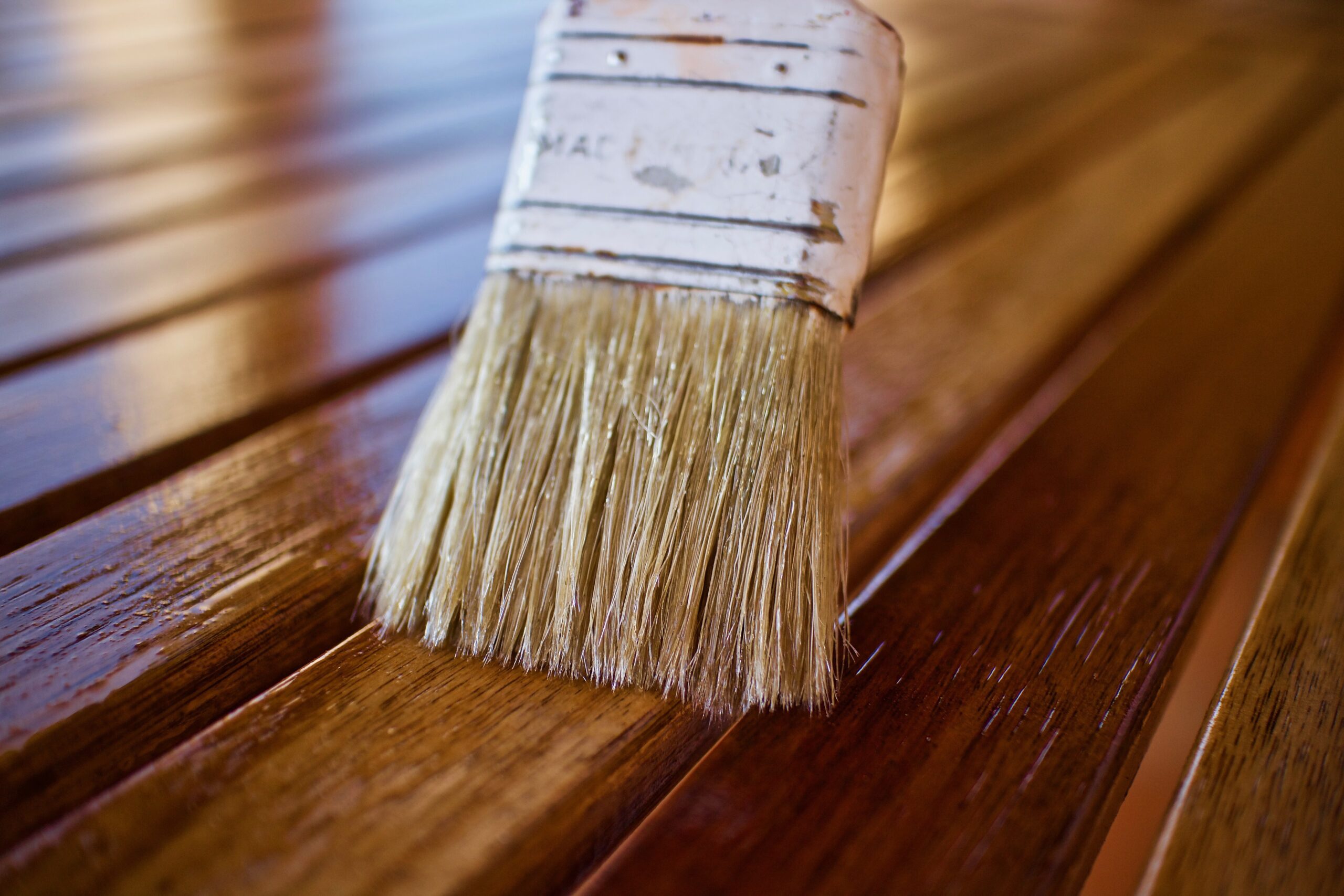
Painting is one of those jobs where I’d encourage most homeowners to have a go. You might not get the perfectly straight lines of a professional decorator on your first attempt, but you can learn.
Preparation makes a huge difference. Fill the holes, clean the walls, protect the floors and don’t try to rush everything because you want the room finished by Sunday evening.
If you’re thinking about painting, have a look at our tips for painting your home professionally.
Putting up shelves? Usually fine.
Putting up shelves is another good DIY job. The main thing is understanding what you’re fixing into.
Plasterboard, brick and blockwork all require different approaches, and the shelf itself needs to be suitable for whatever you’re planning to put on it.
A small shelf holding a few books is one thing. A large, heavy shelf packed with tools is another.
The mistake isn’t necessarily putting up the shelf yourself. The mistake is assuming every wall and every fixing works in exactly the same way.
Electrical work? Be careful.
This is where I’d stop being quite so enthusiastic about DIY.
Electricity is not something I’d recommend experimenting with. Electrical Safety First provides specific guidance warning DIYers about the dangers of carrying out electrical work without the appropriate knowledge and competence. Electrical Safety First – DIY electrical safety
There are electrical jobs that may be permitted for homeowners under UK rules, but “legally possible” and “something you personally should attempt” aren’t necessarily the same thing.
If you’re not completely confident about what you’re doing, get an electrician. I’d much rather spend money on a professional than discover I’ve made a very expensive mistake behind the wall.
Gas work? Call the professional.
This one isn’t complicated.
If you’re dealing with gas, use a properly qualified professional. HSE guidance states that domestic gas work should be carried out by an appropriately qualified Gas Safe registered engineer. HSE – Who can work on gas appliances and pipework
There are plenty of jobs around the house where you can save money by doing them yourself. Gas isn’t one I’d gamble on.
What about plumbing?
This one sits somewhere in the middle.
Replacing a tap, changing a washer or dealing with a straightforward blockage can be perfectly reasonable DIY jobs for someone who knows what they’re doing. But plumbing can go wrong quickly.
A loose connection might not look like much until you discover water running through the ceiling downstairs.
If you’ve got a straightforward repair, take your time and understand what you’re doing. If you’re dealing with hidden pipework, major leaks or something you can’t isolate properly, call a plumber.
Don’t underestimate structural work
This is another area where confidence can get you into trouble.
Removing a partition wall might appear straightforward. But how do you know it isn’t supporting something?
Before removing walls, altering roof structures or making major changes to the building, get the right advice.
The internet is full of videos showing people enthusiastically attacking walls with sledgehammers. What the video doesn’t always show is the structural engineer, building control process or expensive repair bill that came afterwards.
Roofing isn’t just about fixing tiles
I’ve got nothing against replacing a slipped tile if you’re appropriately equipped and know what you’re doing. But getting onto a roof is where the risk increases dramatically.
Working at height isn’t something to take lightly.
If the job involves significant roof repairs, difficult access or anything you’re not confident doing safely, get a roofer in.
Saving a couple of hundred pounds isn’t much of a saving if you’re sitting in hospital afterwards.
Trees can be surprisingly dangerous
Cutting a small branch from a tree is one thing. Climbing up with a chainsaw to remove a large branch is a completely different proposition.
Branches can be heavy, unpredictable and under tension. Then you’ve got ladders, chainsaws and potentially nearby buildings, vehicles and power lines.
Large tree work is another job where I’d happily pay someone with the right equipment and experience.
And then there’s the water heater
Water heaters are another good example of where DIY needs some common sense.
There are maintenance jobs and basic checks that homeowners can learn, but installation and complicated repairs are a different matter.
I’ve previously looked at this in DIY Water Heater Projects: Smart Move or Costly Mistake?.
It’s also worth knowing how regularly your system should be maintained, which I’ve covered in How Often Should You Service Your Water Heater?.
The important thing is not to confuse “I’ve watched someone do this online” with “I understand this system well enough to repair it safely.”
The five-question DIY test
Before starting a job, ask yourself:
- Do I know exactly what I’m doing?
- Do I have the right tools?
- What happens if I get it wrong?
- Is there anything dangerous involved?
- Am I doing this to save money or because I genuinely can?
That last question is worth thinking about.
Sometimes the smartest way to save money is to pay someone to do the job properly the first time.
DIY isn’t about proving a point
I think this is the bit that took me a while to appreciate.
You don’t win anything for being the bloke who insists on doing absolutely everything himself.
The point of DIY is to become more capable, not more reckless. Have a go at the jobs that make sense, learn new skills, buy decent tools and make the odd mistake.
But when you reach the point where a mistake could have serious consequences, that’s when I’d put the tools down and pick up the phone.
Before you pick up the toolbox
There’s a lot to be said for being able to look after your own home. I’ve saved money doing jobs myself, and I’m sure I’ll continue to do so.
But there’s also something quite satisfying about knowing when a job needs an expert.
The best DIYer isn’t the person who does everything. It’s the person who knows what they can do, what they can learn and what they should leave alone.