

PPC vs. Affiliate Marketing: Which Strategy is Right for Your Business?
In the ever-evolving world of digital marketing, businesses are constantly seeking effective ways to reach their target audience and drive conversions. Two popular strategies that often come up in these discussions are Pay-Per-Click (PPC) advertising and affiliate marketing. Both approaches can significantly boost your business, but they operate in very different ways.This article will explore these two strategies in depth, helping you decide which is right for your business.
Understanding PPC and Affiliate Marketing
PPC Advertising
PPC is a form of online advertising where businesses pay a fee each time one of their ads is clicked. Essentially, it’s a way of buying visits to your site, rather than attempting to “earn” those visits organically. Google Ads is the most well-known PPC platform, but there are others, such as Bing Ads and social media platforms like Facebook and LinkedIn.
The primary advantage of PPC is that it can deliver immediate results. Once your campaign is live, your ads can start appearing at the top of search engine results or on relevant websites, driving traffic to your site almost instantly. This is particularly beneficial for businesses that need quick visibility or want to promote time-sensitive offers.
However, PPC can also be costly, especially in highly competitive industries where the cost-per-click (CPC) is high. This is why it’s important to understand How to determine PPC budget effectively. Setting a budget that aligns with your business goals while ensuring a positive return on investment (ROI) is key to a successful PPC campaign.
Affiliate Marketing
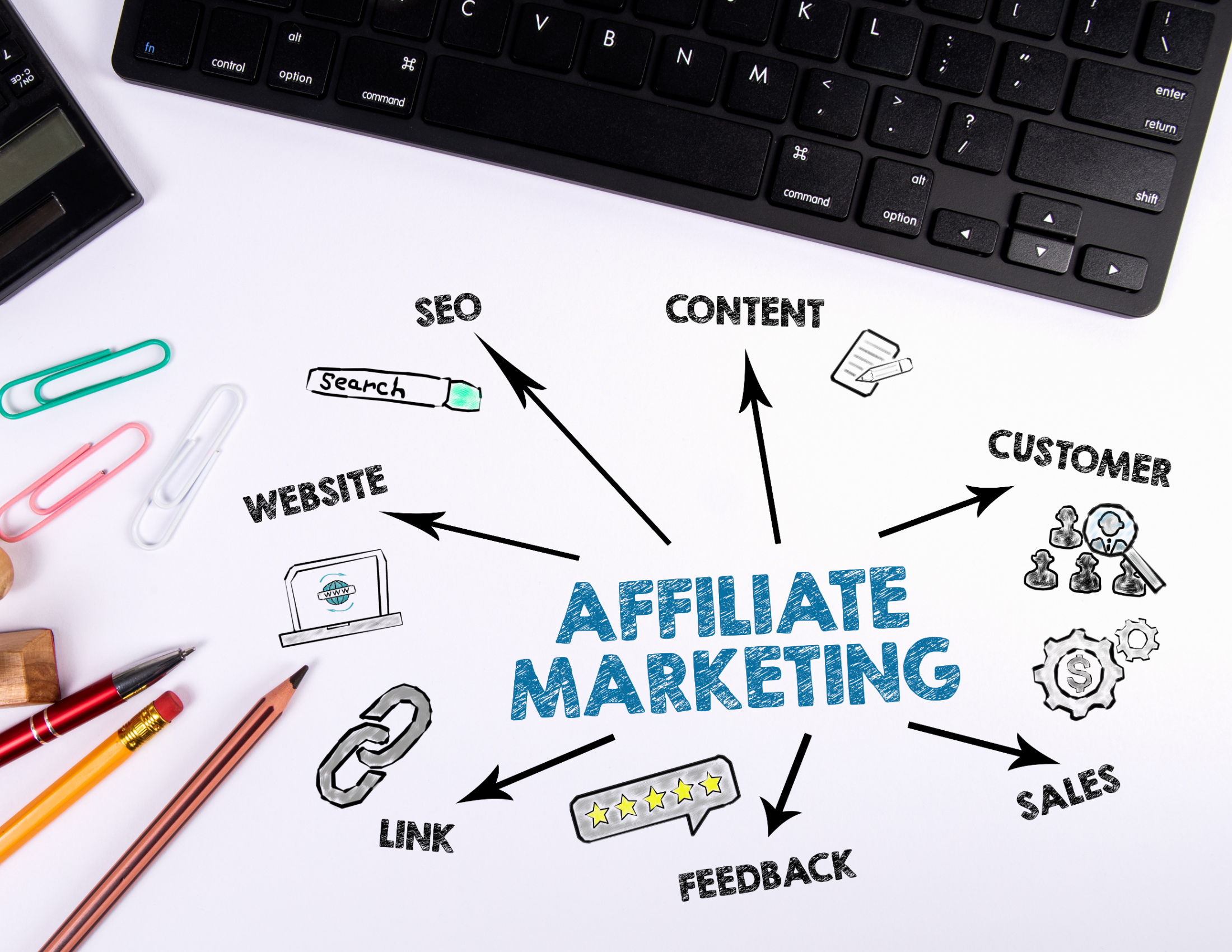
On the other hand, affiliate marketing is a performance-based strategy where a business rewards affiliates (partners) for driving traffic or sales to its website. Affiliates promote the business’s products or services through various channels, such as blogs, social media, or email marketing, and earn a commission for every sale or lead generated.
An affiliate marketing company acts as an intermediary between businesses and affiliates, helping to manage relationships, track performance, and ensure that affiliates are compensated for their efforts. This model is highly cost-effective because you only pay for actual results—either sales or leads—rather than for clicks or impressions.
Affiliate marketing can be an excellent strategy for businesses looking to expand their reach and tap into new audiences. It also allows companies to leverage the credibility and influence of affiliates who have established trust with their followers. However, building a successful affiliate programme requires time and effort, including recruiting the right affiliates and providing them with the necessary tools and incentives to promote your products effectively.
Comparing PPC and Affiliate Marketing
Now that we have a basic understanding of PPC and affiliate marketing, let’s compare the two strategies across several key dimensions:
Cost Structure
- PPC: With PPC, you pay for every click your ad receives. The cost can vary widely depending on the keywords you’re targeting, the competition, and the platform you’re using. High-demand keywords can be particularly expensive, so managing your budget is crucial. This is where knowing How to determine PPC budget comes into play. It involves analysing historical data, setting clear objectives, and continuously monitoring and adjusting your campaigns to ensure you’re not overspending.
- Affiliate Marketing: In contrast, affiliate marketing is purely performance-based. You only pay when a sale is made or a lead is generated. This makes it a lower-risk option, particularly for businesses with limited marketing budgets. However, the success of this model depends on the effectiveness of your affiliates, which can vary.
Speed of Results
- PPC: One of the biggest advantages of PPC is the speed at which you can see results. Once your campaign is set up and running, you can start driving traffic to your site almost immediately. This makes PPC ideal for businesses that need quick wins or are launching new products.
- Affiliate Marketing: Affiliate marketing typically takes longer to generate results. It involves building relationships with affiliates, who then need time to create and distribute content promoting your products.
Control
- PPC: PPC offers a high degree of control over your campaigns. You can choose which keywords to target, set your budget, and adjust your bids and ad placements in real-time. This allows for precise targeting and the ability to quickly respond to changing market conditions.
- Affiliate Marketing: In affiliate marketing, you have less control over how your affiliates promote your products. While you can provide guidelines and resources, the final execution is in the hands of your affiliates. This can be both a strength and a weakness, as affiliates may bring creative approaches you hadn’t considered, but they may also miss the mark on your brand messaging.
Scalability
- PPC: Scaling PPC campaigns is relatively straightforward. If a campaign is performing well, you can increase your budget to reach more people. However, this also means that costs can escalate quickly, so it’s important to monitor ROI closely.
- Affiliate Marketing: Affiliate marketing is highly scalable, especially with the help of an affiliate marketing company. As you recruit more affiliates, your reach and potential for sales increase without a corresponding increase in upfront costs. This makes it an attractive option for long-term growth.
Which Strategy is Right for Your Business?
Deciding between PPC and affiliate marketing ultimately depends on your business goals, budget, and resources.
- Choose PPC such as GMB Marketing Solutions if you need immediate traffic, have a budget to spend, and want control over your campaigns. It’s particularly effective for businesses looking to boost visibility quickly, run time-sensitive promotions, or dominate competitive keywords.
- Choose Affiliate Marketing if you’re looking for a cost-effective, performance-based strategy that can scale over time. It’s ideal for businesses that want to expand their reach, leverage the influence of others, and are willing to invest in building and maintaining relationships with affiliates.
In some cases, the best approach might be to combine both strategies. For example, you could use PPC to drive immediate traffic while building up your affiliate programme for long-term, sustainable growth. By understanding the strengths and limitations of each approach, you can make an informed decision that aligns with your business objectives and maximises your marketing ROI.