

How to Boost Your Child’s Self-Esteem
Building a strong foundation of self-esteem is one of the greatest gifts you can give to your child. A healthy sense of self-worth empowers children to navigate challenges, build positive relationships, and pursue their goals with confidence. I have teamed up with a private school in Kent to share some actionable strategies and insights on how to boost your child’s self-esteem and foster a positive sense of identity.
1. Unconditional Love and Acceptance
The bedrock of a child’s self-esteem is rooted in unconditional love and acceptance. Make it clear to your child that your love is unwavering, regardless of their successes or failures. Create an environment where they feel safe to express themselves without fear of judgment.
2. Encourage Independence and Decision-Making
Empower your child to make age-appropriate decisions. Whether it’s choosing their outfits, deciding on weekend activities, or expressing their preferences, providing opportunities for decision-making instils a sense of autonomy and boosts their confidence in their ability to make choices.
3. Acknowledge Effort, Not Just Results
Celebrate your child’s efforts and hard work, emphasising that success is not solely determined by outcomes. This approach helps shift the focus from perfection to the value of dedication and perseverance, fostering a positive attitude toward learning and self-improvement.
4. Teach Problem-Solving Skills

Guide your child in developing problem-solving skills. Encourage them to analyse challenges, consider potential solutions, and make decisions. The ability to navigate obstacles independently contributes to a sense of competence and confidence.
5. Set Realistic and Achievable Goals
Work with your child to set realistic and achievable goals. Break larger tasks into smaller, more manageable steps, allowing them to experience a sense of accomplishment at each milestone. This gradual progress contributes positively to their self-perception.
6. Promote Positive Self-Talk
Help your child develop a positive internal dialogue. Teach them to recognise and challenge negative thoughts, replacing them with affirming and encouraging statements. Positive self-talk is a powerful tool for building resilience and self-assurance.
7. Encourage Expression of Emotions
Create an open space for your child to express their emotions. Acknowledge their feelings, whether positive or negative, and help them understand that all emotions are valid. By expressing and managing their emotions, they learn to navigate the complexities of their inner world.
8. Promote Healthy Lifestyle Habits
Encourage habits that contribute to physical and mental well-being. A healthy diet, regular exercise, and sufficient sleep play significant roles in overall self-esteem. When children feel good physically, it positively impacts their self-perception.
9. Celebrate Individuality and Uniqueness
Embrace and celebrate your child’s individuality. Highlight their unique strengths, talents, and interests. Fostering a sense of pride in their distinct qualities contributes to a positive self-image and reinforces the value of diversity.
10. Provide Opportunities for Skill Development
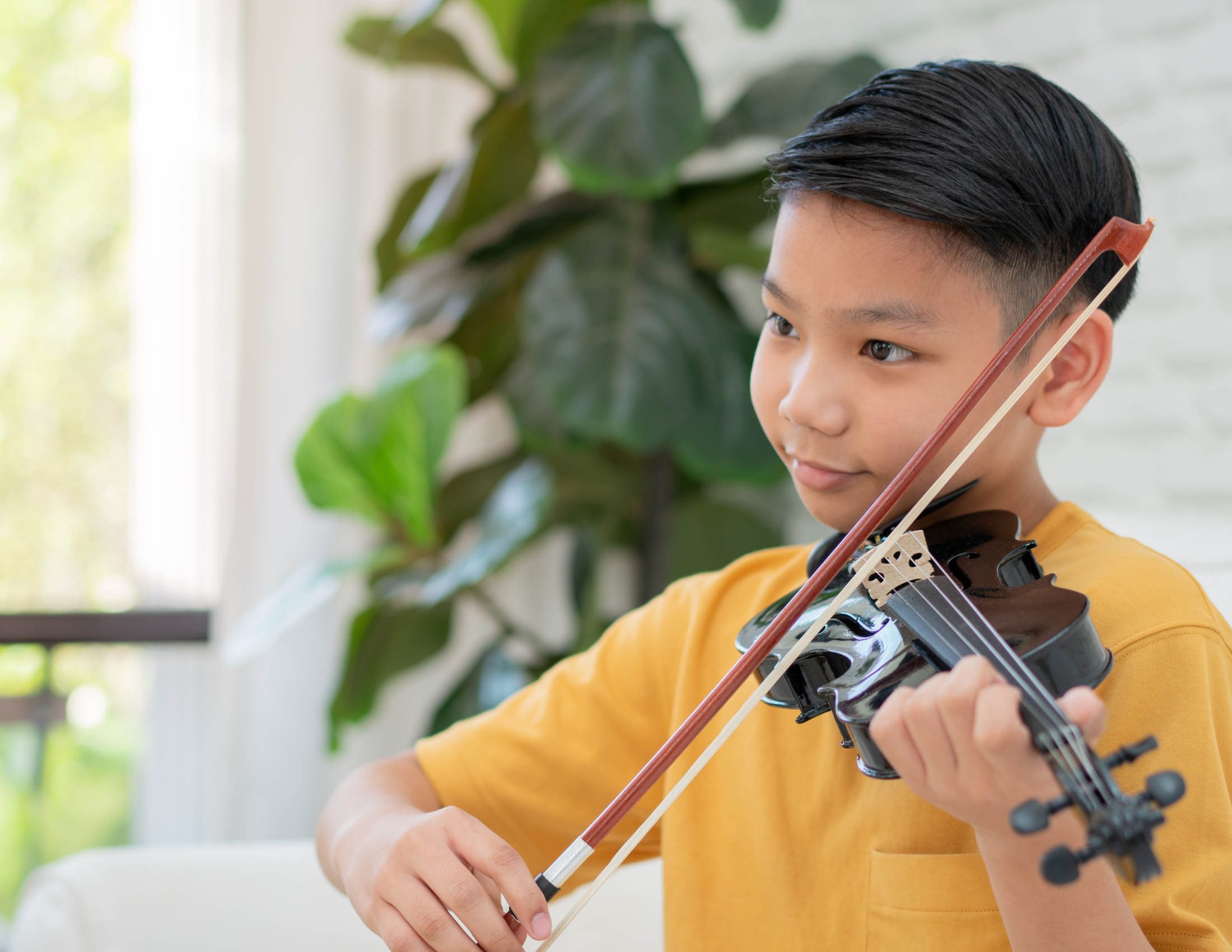
Support your child in acquiring new skills and hobbies. Whether it’s learning to play an instrument, participating in sports, or engaging in creative activities, the acquisition of skills enhances their sense of competence and mastery.
11. Encourage Social Connections
Facilitate opportunities for your child to build positive social connections. Friendships and positive social interactions contribute significantly to self-esteem. Encourage cooperative play, group activities, and the development of healthy relationships.
12. Create a Growth Mindset
Foster a growth mindset by emphasising the belief that abilities can be developed through effort and dedication. Teach your child to view challenges as opportunities for learning and growth, cultivating a resilient and positive approach to setbacks.
13. Model Positive Behaviour
Children often learn by observing. Model positive behaviour, self-compassion, and a healthy attitude toward challenges. Your actions and reactions serve as powerful examples that shape your child’s perception of themselves and the world around them.
14. Provide Constructive Feedback
When offering feedback, focus on constructive and specific comments. Highlight areas for improvement while also recognising their strengths. Constructive feedback guides their growth and reinforces the idea that improvement is a continuous and positive process.
15. Participate in Shared Activities
Engage in activities together that allow for shared experiences and bonding. Whether it’s cooking, playing games, or exploring nature, shared activities create moments of connection and reinforce the importance of positive relationships.
Boosting your child’s self-esteem is a continuous and nurturing process that lays the foundation for a positive and resilient outlook on life. By incorporating these strategies into your parenting approach, you empower your child to embrace their uniqueness, face challenges with confidence, and navigate the complexities of growing up with a strong and positive sense of self. Remember, the journey of building self-esteem is a collaborative one, and your guidance and support are instrumental in helping your child flourish into a confident and resilient individual.