
British Stagflation: What’s The Best Approach?
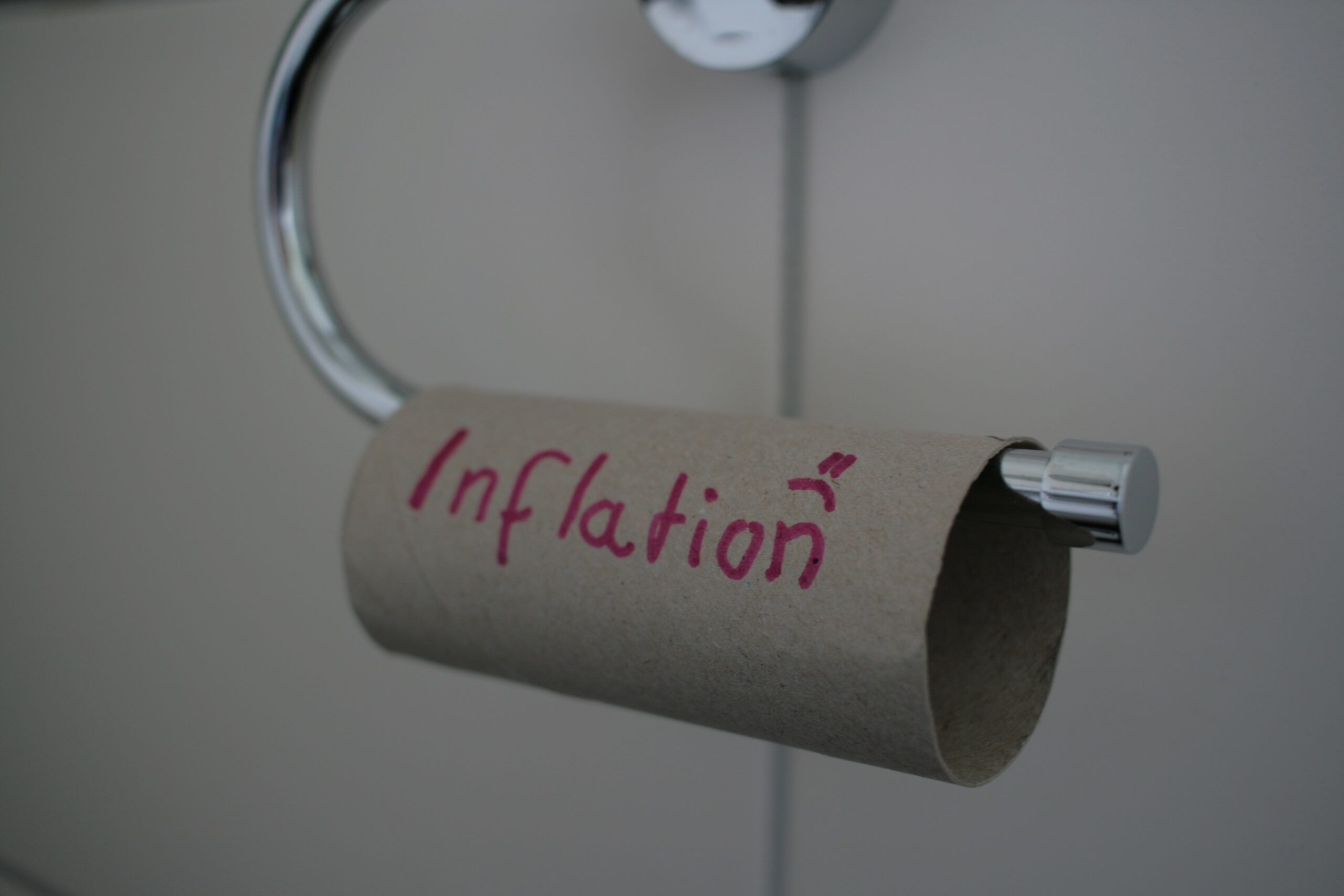
There is no denying that the costs of living are going increasingly higher. The UK economy is shrinking; in other words, it is in a position with low growth. Yet, at the same time, the inflation rate is going through the roof, recording an increase to 9% in April 2022, which is the highest and fastest it’s been since 1982. So, what does it mean for the average British household?
Essentially, it means two things. Bills are likely to increase dramatically and as fast as businesses adjust to inflation. The second problem British households are facing is the lack of inflation match with salaries. Wages remain mostly unchanged, yet everything gets more expensive. So, how do you cope with the British stagflation?
Set new budget rules
What is your priority when everything becomes more expensive everywhere: managing your outgoings. It is worth taking a long look at your bank statements and identifying areas where you could already be saving money. Typically, these would relate to the following items:
- Unnecessary subscriptions or subscriptions that can be replaced with a cheaper package
- Frequent takeaway orders — we owe it to Just Eat, Urban Eat, and Deliveroo to have introduced new costly habits into the household!
- Services that could be switched for more cost-effective suppliers
- Stress-relief expenses, from shopping to night outs
- Purchases you don’t realise you are making, such as the coffee on the way to work every day, and that isn’t part of your budget
- Etc.
Indeed, while you may have already designed a suitable budgeting approach for your household, now is the time to adjust it to the British inflation rate. Bear in mind that you do not want to remove all outgoings. You need to keep a pot for leisure and entertainment expenses, even if you put less in this specific pot than you used to.
Tackling unexpected bills as they arise
Unfortunately, as everything gets more expensive, you are likely to have unpleasant surprises:
- Unexpected bills that are not part of the budget plan
- Bills that were expected but where the amount is not what you initially budgeted
How do you best handle the budget increase? Typically, unexpected bills are best handled as quickly as possible to avoid long-lasting repercussions, such as having to pay a fine on top of the invoice. For small and manageable amounts, you can consider approaches that let you spread out the costs without facing fines, such as borrowing a small amount via a £200 loan to proceed with the payment without affecting your household budget or relying on credit cards so you can spread out credit repayments.
For larger amounts, it may be a good idea to reach out to your supplier or the business sending the bill to discuss different options. Some creditors will be open to spreading repayments, reducing payments, or even introducing financing plans. Negotiating with creditors is no easy task, and the result is not always successful. However, many creditors are aware that the only way for them to get paid is to agree to change payment terms or charges.
Will changing your job bring more income to the household?
Approximately 2.5 million employees in the UK have received a pay rise in April 2022 to reflect the increase in National Minimum Wage and National Living Wage. Additionally, pay growth is also rising in an effort to attract and retain talent. So, if you are considering your options to tackle increasing costs, a pay rise is a sustainable solution. However, employers are unlikely to provide a suitable rise for staff that has been with the business for a long time. Here are reasons why looking for a new position can significantly transform your household budget:
- You can negotiate at least a 10-20% pay increase with a new employer
- Some skills are high in demand and, therefore, more valuable
- The employment market is exploding with offers, but recruiters struggle to find candidates
- Your new employer doesn’t need to know precisely your current salary
While it is fair that a job switch may not necessarily be the right solution, if you are due a pay rise for years, a new employer may be more generous. Sometimes, it is all you need to bring back financial stability to your household.
Can some lifestyle habits save costs?
The short answer is yes, but you need to make it work. For instance, cooking at home can be cost-effective if you are a confident and knowledgeable cook. Growing your own vegetables could save you a few quids on your vegetable shopping every week, but you are unlikely to replace your grocery expenses through homegrown produce only.
If you are considering lifestyle changes in an effort to reduce your household expenses, you must answer these questions first:
- What is the hidden cost of this lifestyle change? For example, homegrown vegetables increase water consumption and bring additional expenses for soil nutrition, vegetable bed setting, gardening tools, etc.
- Is the cost of lifestyle change less than the saving it drives? Gardening hobbyists are the first to know how expensive it can be to grow plants, so they also appreciate that a homegrown tomato plant may not be an economical substitute for shop-bought items.
- Is the change sustainable in the long term? It is a question that refers to both monetary and time considerations. To carry on with the example of home gardening, growing fruits and vegetables can take several months. Additionally, the typical British garden is unlikely to be large enough in size to grow enough nutrients for the whole family throughout the year.

It is worth being thorough to ensure you are not wasting your time and effort on the introduction of money-saving habits that do the opposite of what you expect. Besides, bringing a new habit to your routine can be hard. Habits are comfortable, so it gets tricky if you change them. Ideally, you want to focus on easy, manageable, and feasible habits such as:
- Bringing the thermostat down by a couple of degrees for the heating and water heater as it is unlikely to affect your comfort but can save on your energy bills
- Timing your shower in the morning — keep it short to save money
- Changing your light bulbs for low energy consumption solutions
- Etc.
Can you make money selling your unwanted stuff?
Ebay is currently running a promotional campaign encouraging people to make money through the platform. How much can you make through eBay sales? The answer is: Not enough. You can get rid of unwanted gifts and items you don’t use anymore. However, unless you are selling a rare item, you are unlikely to make a profitable income. Additionally, eBay sellers must also consider the cost of shipping. Besides, it isn’t going to make a big difference for a handful of items. Instead, you may want to save yourself the hassle and donate your unwanted stuff to charity, as someone else could benefit from it. Running a profitable business on eBay requires a high stock of items, shipping agreements, and business-focused time management practices.
Reduce waste, so you’re not spending money on things you don’t use
The UK throws away approximately 9.5 million tonnes of food waste every year. Food waste can drain your household budget more than you realise. So, it is important to find alternatives that can reduce waste.
Improving storage options will help prevent fresh fruit and vegetables from going bad too quickly. If you are concerned about not being able to use your greens soon enough, you can blanch and freeze them for safekeeping. Spinach, carrots, tomatoes, peppers, mushrooms, potatoes, cucumbers, and many more can be frozen safely and used at a later point.
Learn new recipes to find ways of using ingredients more effectively without increasing food shopping costs. Classics such as omelette and pasta dishes can be a perfect option for using leftovers or single ingredients, for example. It may be worth investigating new cuisines, such as Korean recipes. Korea has a lot of simple recipes to turn ingredients into delicious and nutritious dishes, such as scallion pancakes, blanched and seasoned spinach, and tinned tuna cakes. It’s a great way of whipping something delicious while cutting down on food waste.
Improving food shopping routines can also keep your costs low. Did you know that you are more likely to buy more than you need if you go shopping while hungry? Hunger affects your perception of quantities — making you think you need more — and time — you want ready-to-eat food rather than investing time in preparation. As a result, hunger can tempt you into buying processed meals, snacks, and a large amount of food. Buying too much can lead to food going bad before it can be consumed. Additionally, processed meals and other high fat and high sugar food can also increase waste risks. Indeed, you are more likely to crave “junk” flavours, which means that other ingredients will be left untouched in the fridge!
Hopefully, these few ideas can give you some pointers to prepare your household for the long-term stagflation in the UK. From saving money where you can to finding ways of growing your income, British households are resourceful enough to go through challenges successfully and safely.