
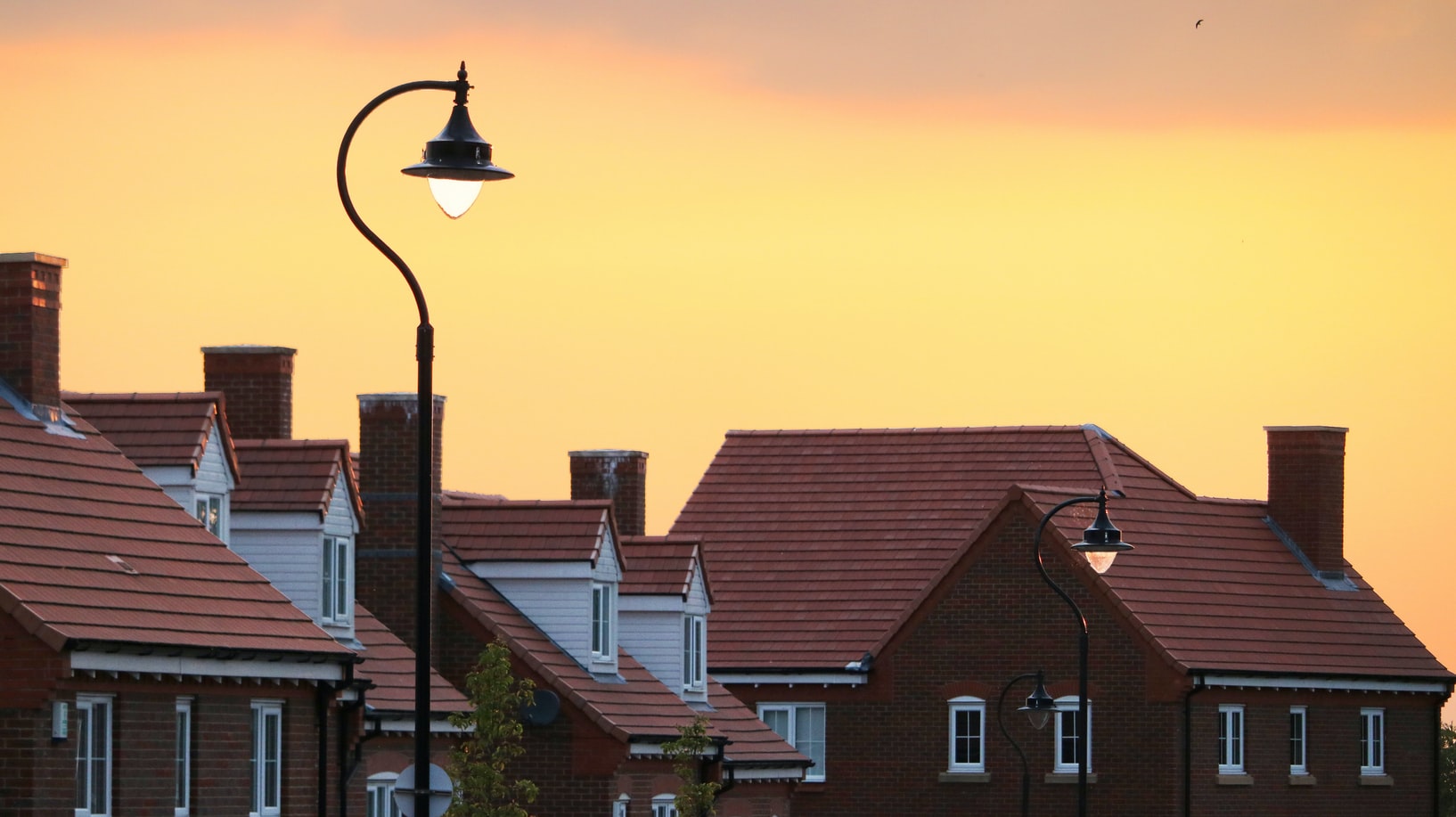
How To Check The Condition Of Your Roof?
After the storms of the last few weeks, it is a good idea to check the condition of your roof. If you don’t know where to start this article will guide you through the process. It will be identifying the various signs your roof might need repairing.
Your roof protects you and your family from bad weather. It needs to be in a good condition to survive the onslaught of hail, snow and ice of the winter months. If your roof has been damaged in a storm you need to fix it quickly to avoid leaks, dry rot and mould which could cause serious issues to your interiors.
If you keep having issues with your roof you could try roof sealant. Flat roofs especially benefit from using roof sealant as they tend to have issues with standing water. If you want more ideas how to improve your roof read my earlier article.
Missing Tiles
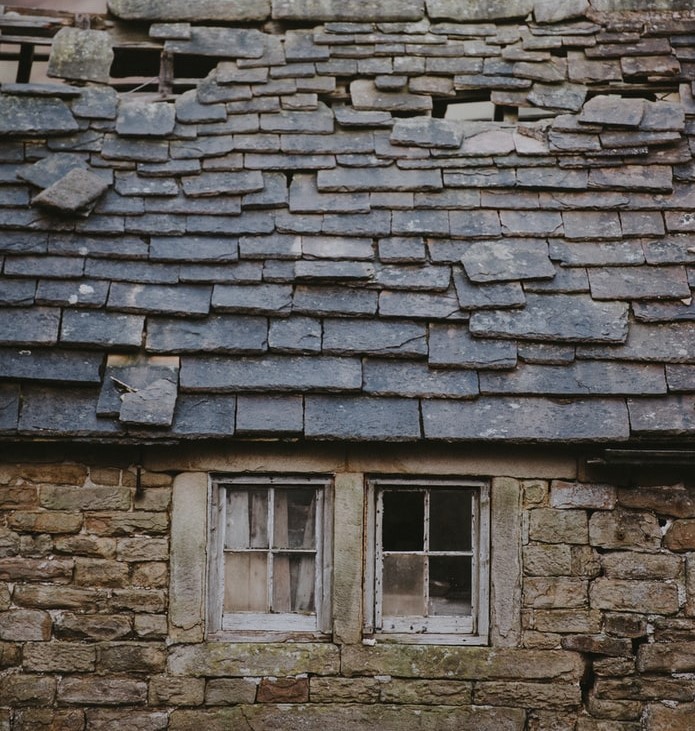
You might be able to see tiles broken on the floor after a storm. That is a giveaway that you need to have a more thorough inspection of your roof. Do not attempt replacing any tiles without proper safety equipment, working on your roof can be very dangerous.
Interior Inspection
Go up to your attic and look for signs of peeling paint, sagging or water rings. If you see light coming through into the attic, then you also need to worry about the condition of your roof and act quickly.
Ventilation
Your roof can be damaged from the inside too! If ventilation is an issue the build-up of condensation will damage the interior side of the roof which will impact how well it protects your home. Signs to help you identify if there is an issue are musty smells, foggy windows and visible mould.
Check Your Guttering
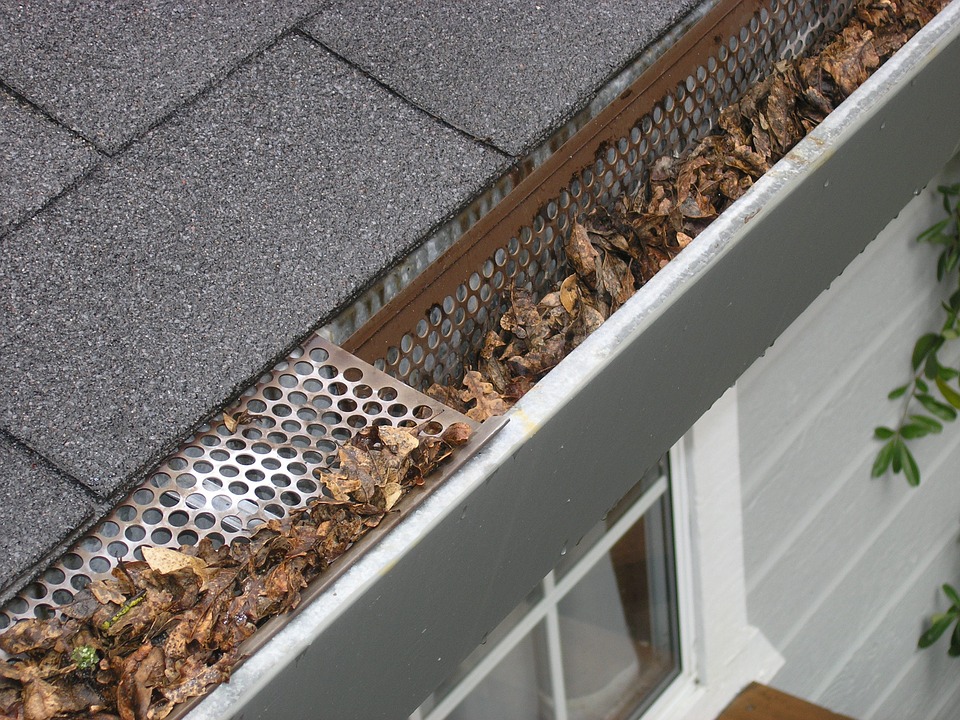
It’s important to regularly empty your guttering. Blockages can cause water to pool which can damage the edge of your roof. Emptying your guttering is probably the quickest and cheapest fix with roof problems so its sensible to start with this.
Don’t Forget The Flashing
Make sure you check your flashing regularly too. It can come loose and allow water to damage your ceiling and walls. Add roofing cement to any screw heads to keep everything watertight! Also apply roof cement to any holes you might find in your flashing, this will be cheaper than replacing all the flashing.
Ageing
Eventually your roof will need to be replaced. Slate is a great choice against extreme weather conditions. We have a slate roof and apparently it can have an 80 year lifespan if looked after. That means keeping on top of any issues with missing slates or poor ventilation. If your electricity bills start to get higher than it might be a clue you need to replace your roof. A cheaper option for replacing your roof is asphalt shingles but that only has a lifespan of between 15 and 30 years, so it might be worth investing more for that “forever” roof!