
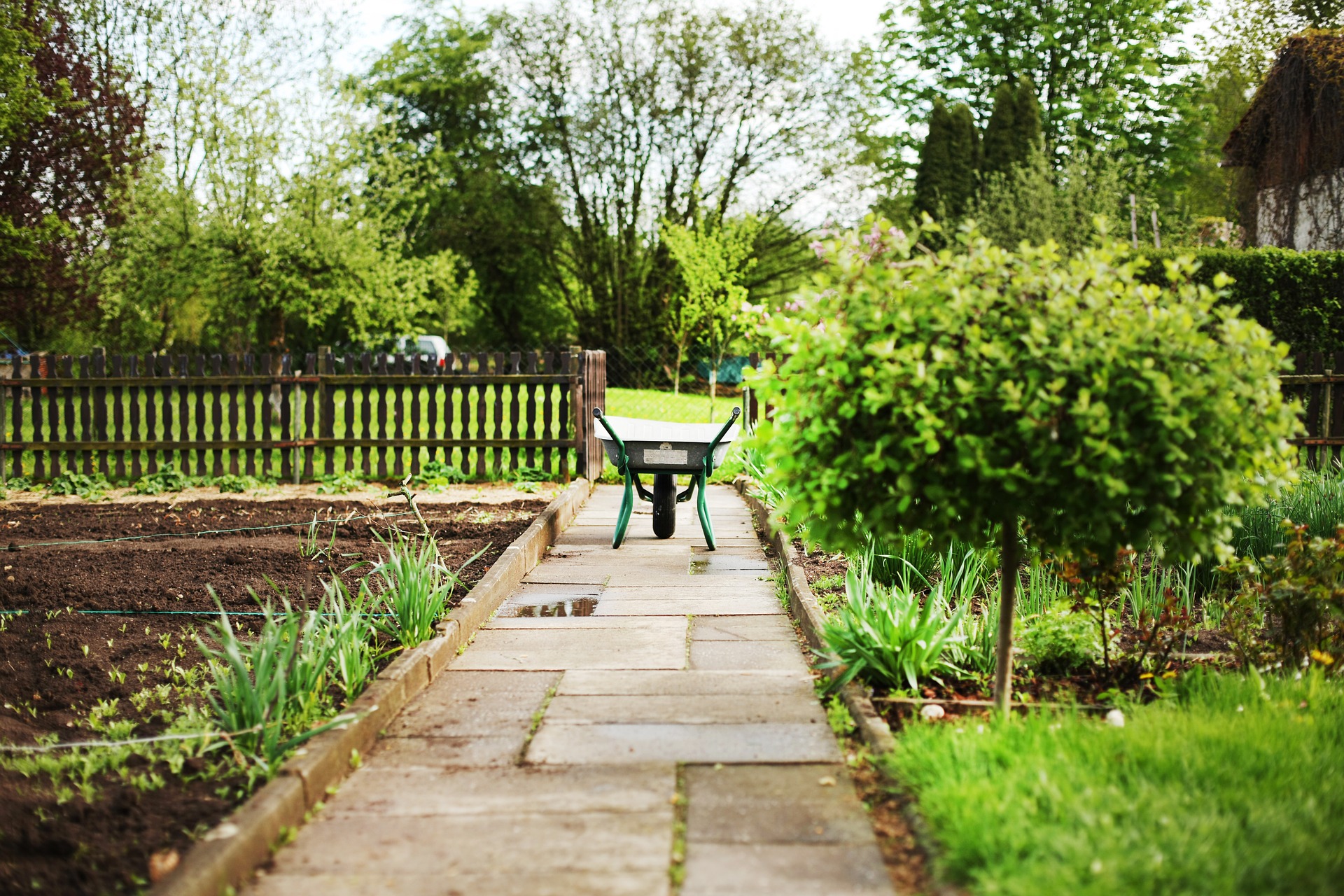
What You Need To Know To Create a Home Garden
Gardening can be a great, nature-friendly, relaxing hobby for many. Along with that, it’s good for health because of the exercise required, and what’s best, a regularly looked after vegetable garden is an organic, self-grown source for vegetables to eat at home. With rising prices of fresh produce, it is no wonder that many people are looking towards planting their own home gardens, and with most families being small these days, home gardening is becoming a popular, cost-effective option. It’s not very difficult to create a home garden, but following some simple tips makes sure your venture is a success.
Decide on the kind of plants you want to grow
Every climate supports different varieties of plants and vegetable growth, so you might like to do some research or speak to a nursery owner about what produce you can successfully grow given the climate conditions. Also figure out if you want high maintenance plants which require a lot of time, patience and material, or low maintenance ones which only take a little time and effort. If you don’t have adequate time, lack of care will make high maintenance plants wilt, and that would be a waste.
Soil texture and drainage
Just like climate, soil type and condition is also extremely important for your veggies. If the soil in your yard cannot absorb water efficiently after rain, the drainage is not suitable to grow plants. Your soil might need certain types of nutrients, so if you know the soil type, you know what to work with. Websites like Back To Farm can help you in understanding your soil type and various ways to enrich it.
Customize accordingly
Depending on the available space, your home garden can be a few potted plants in your balcony, or an entire backyard full of different types of plants. So according to the soil space, decide if you want seedlings, seeds, or grown plants to begin with. Chalk out a detailed plan on how you want to arrange all the plants in your garden. You’ll need to make sure every plant in the garden is positioned in such a manner that it receives enough sunlight for it to grow in a healthy way.
Be prepared
Once you’ve got an idea on the kind of plants you want, the soil factors, and other materials you will need, make purchases for the same. Buying everything at different times might disrupt the process, as you may not be able to complete the process without all the equipment and material together. Consult the nursery you buy your plants from, and get the required pesticides and protective material.
Finally, make gardening fun! Be sure to try and involve family members and friends in planting and taking care of the garden- it’s a great activity for bonding. Take time to add some decorations to your little garden and paint the pots, if there are any, for a cool, personalized touch. This is bound to heighten your enthusiasm to tend to your garden, and you’ll soon be reaping the benefits of home grown veggies.