
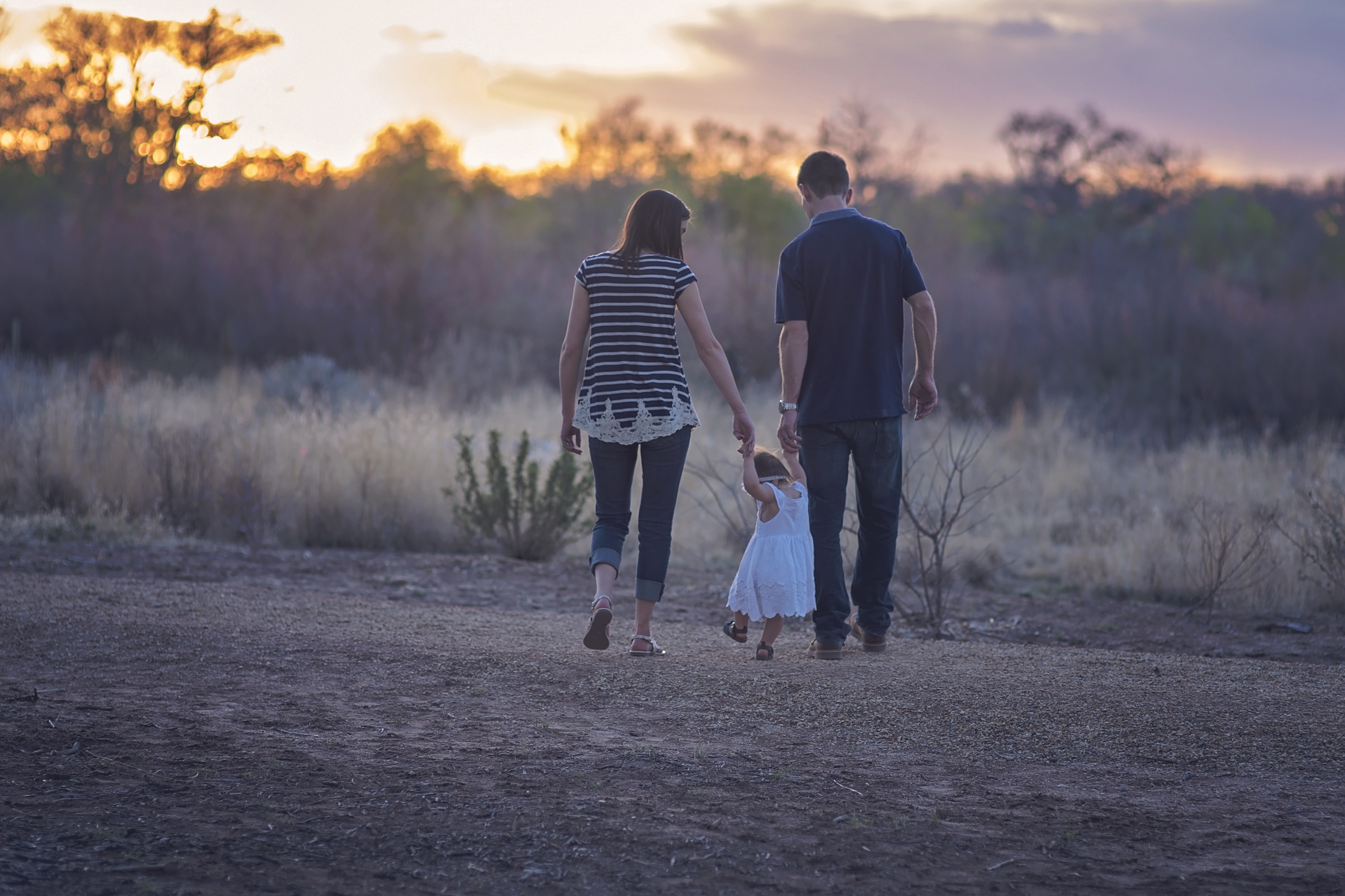
Walking with Your Children for Their Safety
It’s in every parent’s instincts to protect their children at all costs. You want to be there, guiding them, ensuring that they are okay. Being there all the time, however, isn’t possible. Not only will you need to be separated at certain points, children can get lost, they grow up, and sometimes they just want to experience some freedom of their own. That is why protecting them cannot come in the form of you watching their every action. But instead teaching them and preparing them for what to do in certain situations.
Make Them Familiar With The Route
Walking, for instance, is something that many parents take for granted. They and their children have one route to school, and back, and perhaps a few other key hotspots throughout their neighborhood. The problem with this, however, is that turning down one wrong road could mean your child is lost. That is why, instead of relying solely on the easiest routes, you should walk around your neighborhood and city with your child. Get them so familiar with the routes that if they were to take another street, or get lost for any reason, they know how to get home. Or, they know how to get to a key meeting point or somewhere to ask for help.
Always Have A Meeting Spot Planned
This will take time. However, it will ensure that your child knows their neighborhood like the back of their hand. This can be even extended further. Say you searched for more information on the events in your local city and found a sport’s game your child would love to go to. It can be nerve-wracking to go with a young kid in such a huge crowd. Instead of not going, prepare. Go a few hours earlier and walk around the venue. Maybe eat food, have fun, and pick out a meeting spot where you can reunite if you two were to get separated. Keep it simple, like the nearest McDonalds or department store, the easier your child will be able to either find it by sight or ask for directions.
Who To Ask For Help
Note: Have a system in place to help your child know who to ask for help. Such as police officers, employees in nearby stores, or families. You can also give write your number down on a piece of paper that your child keeps on them. Then you are always a phone call away.
In Conclusion
The more familiar your child is with the area, however, the easier and calmer he or she will be if you two were to get separated for any reason. Panicking is the worst thing that you can do. Instead walking, whilst getting familiar with the streets and the layout is better. When they know their area well it won’t feel like they have got lost, because they will know what to do. Instead they will no doubt be reunited safe and sound only a few minutes later. What this walking and familiarization is best for, however, is that your child will feel confident in exploring. This in turn, can make them independent and capable of looking after themselves as children and as adults.